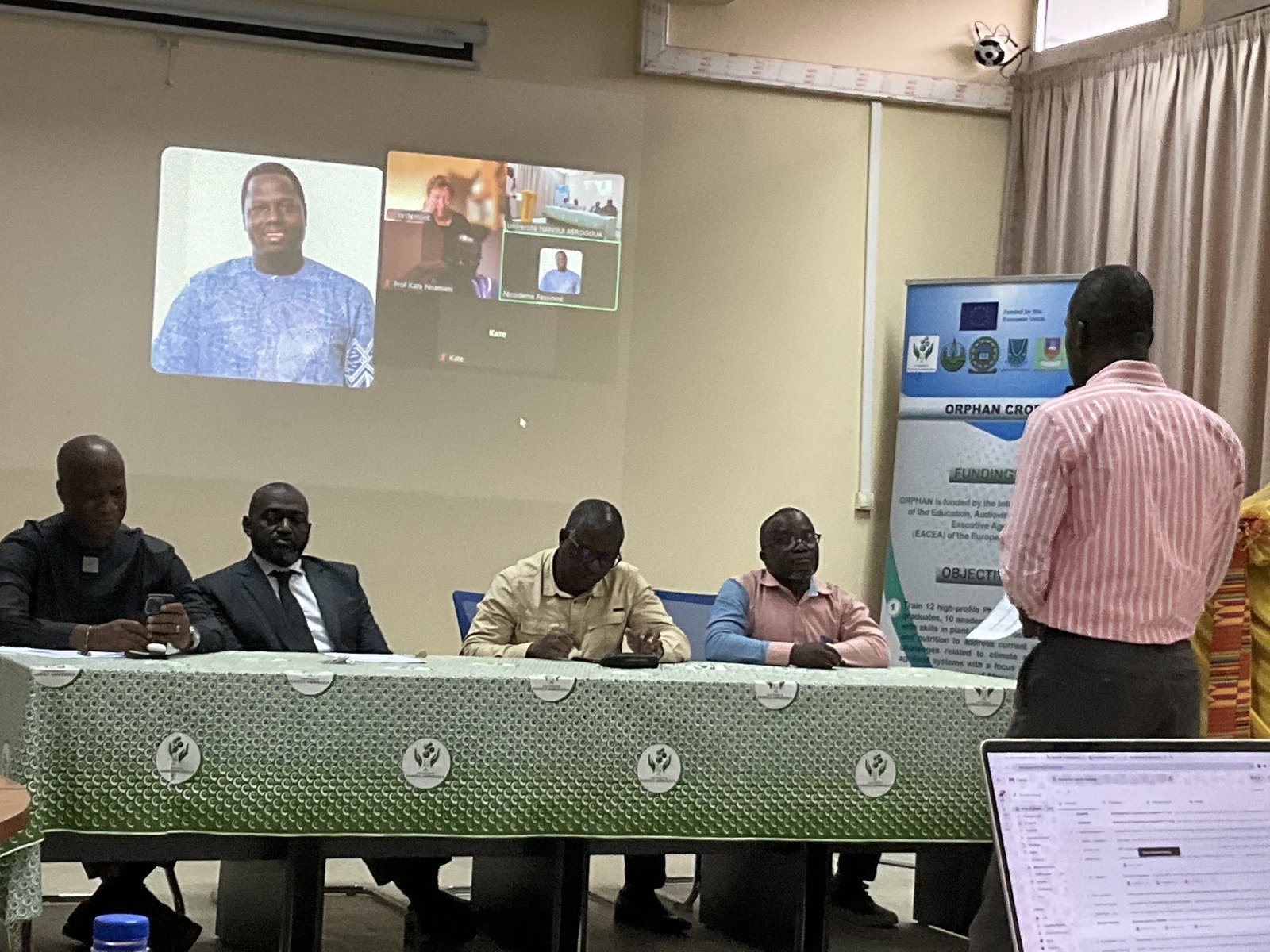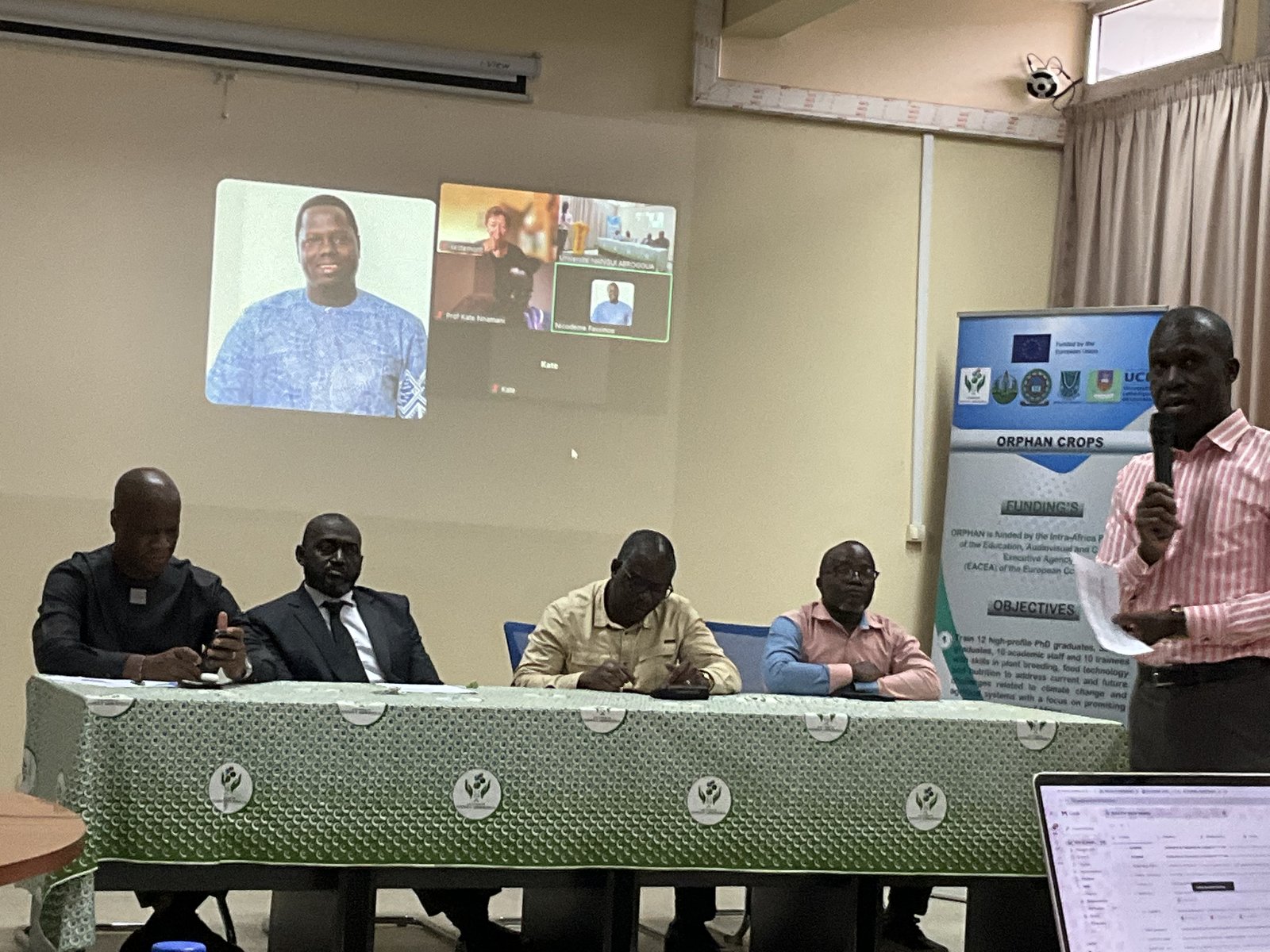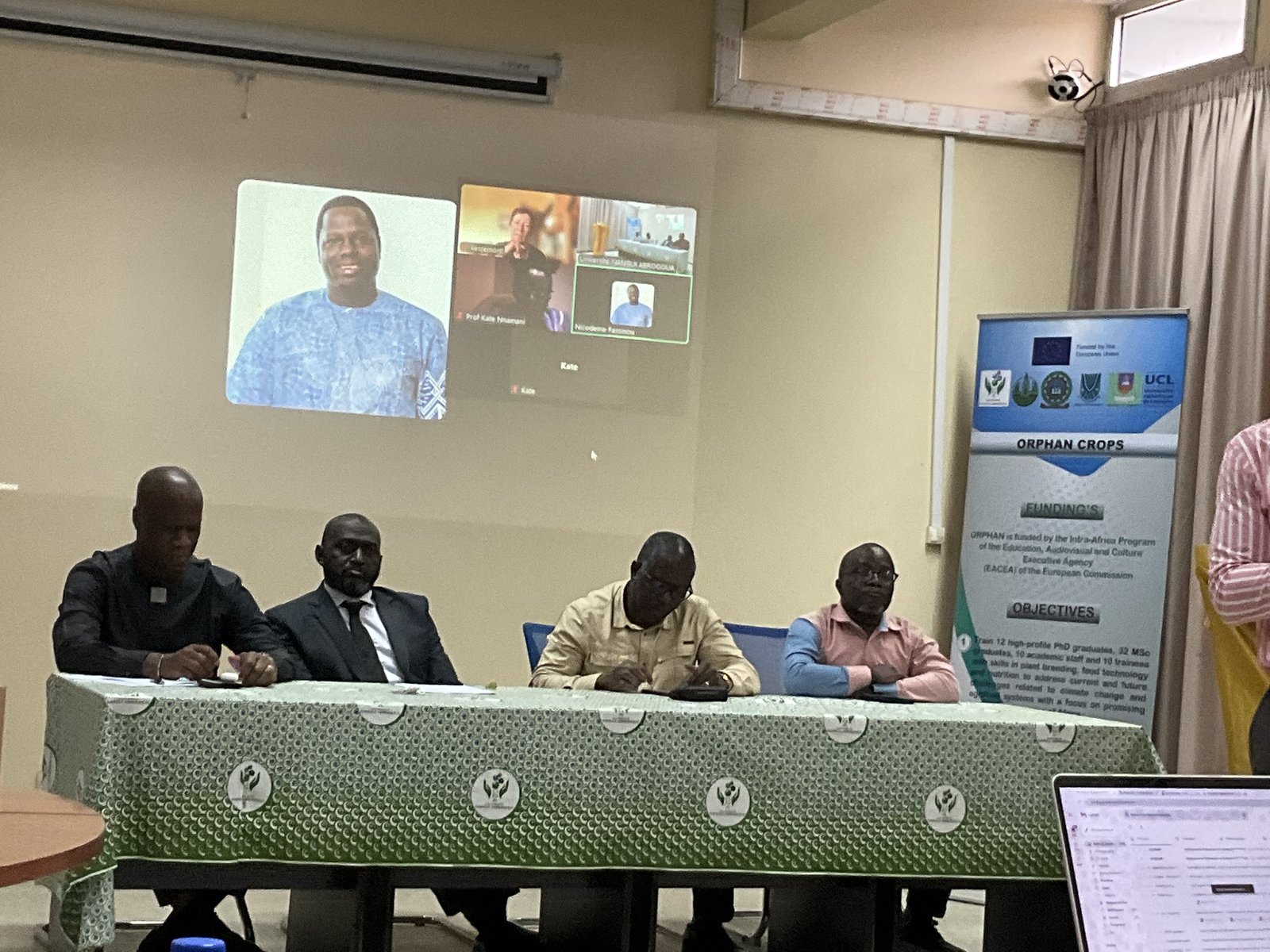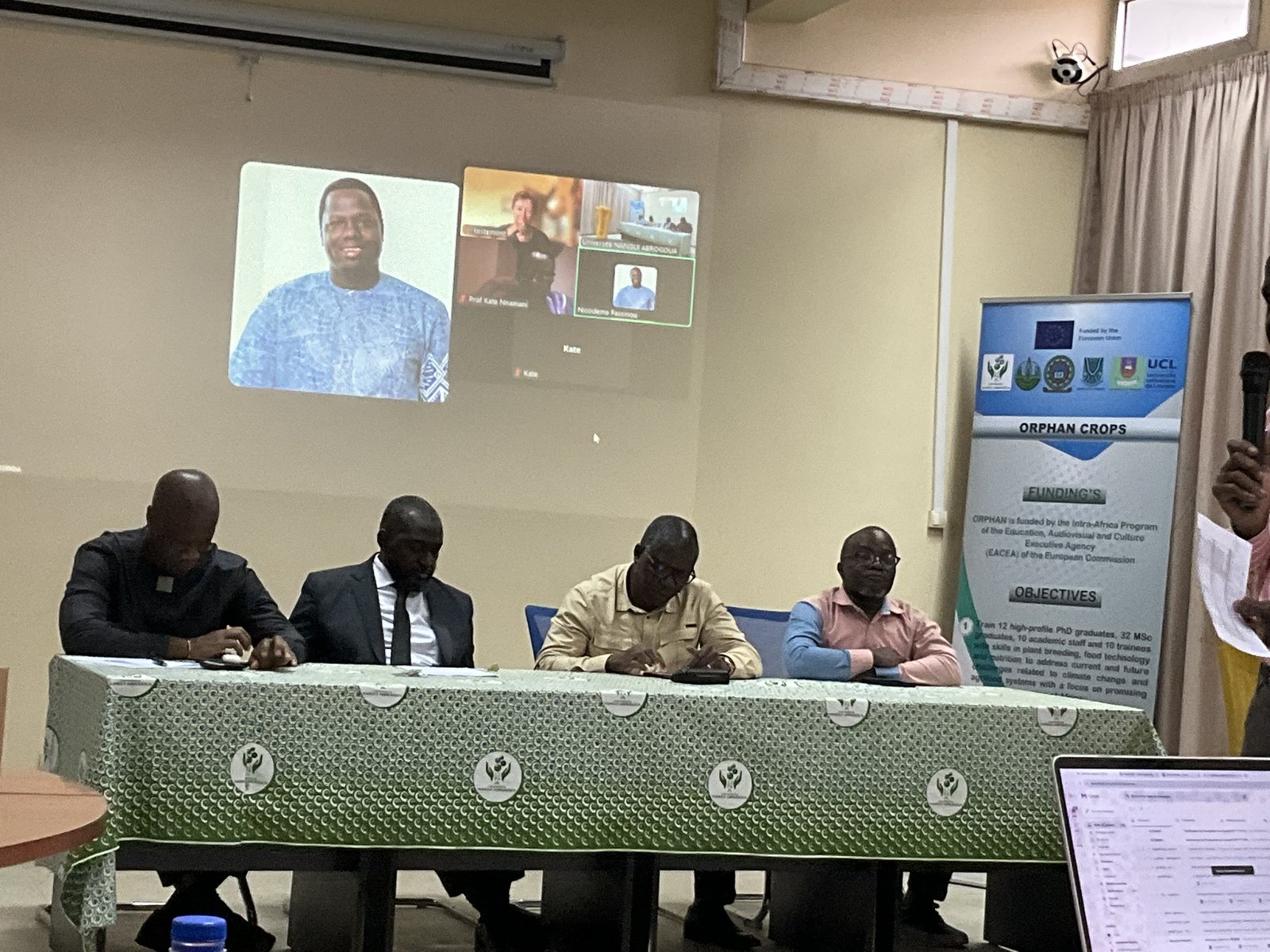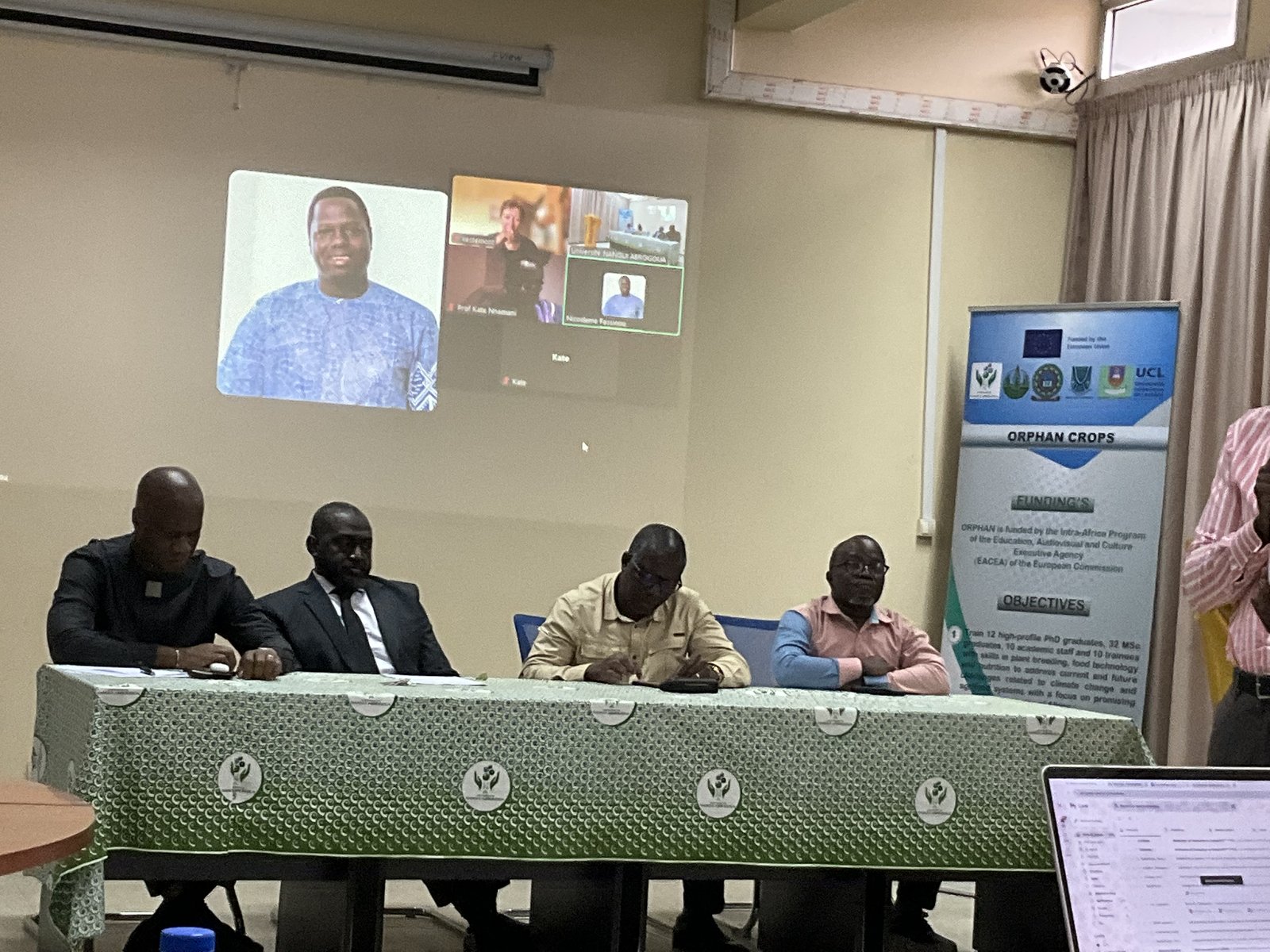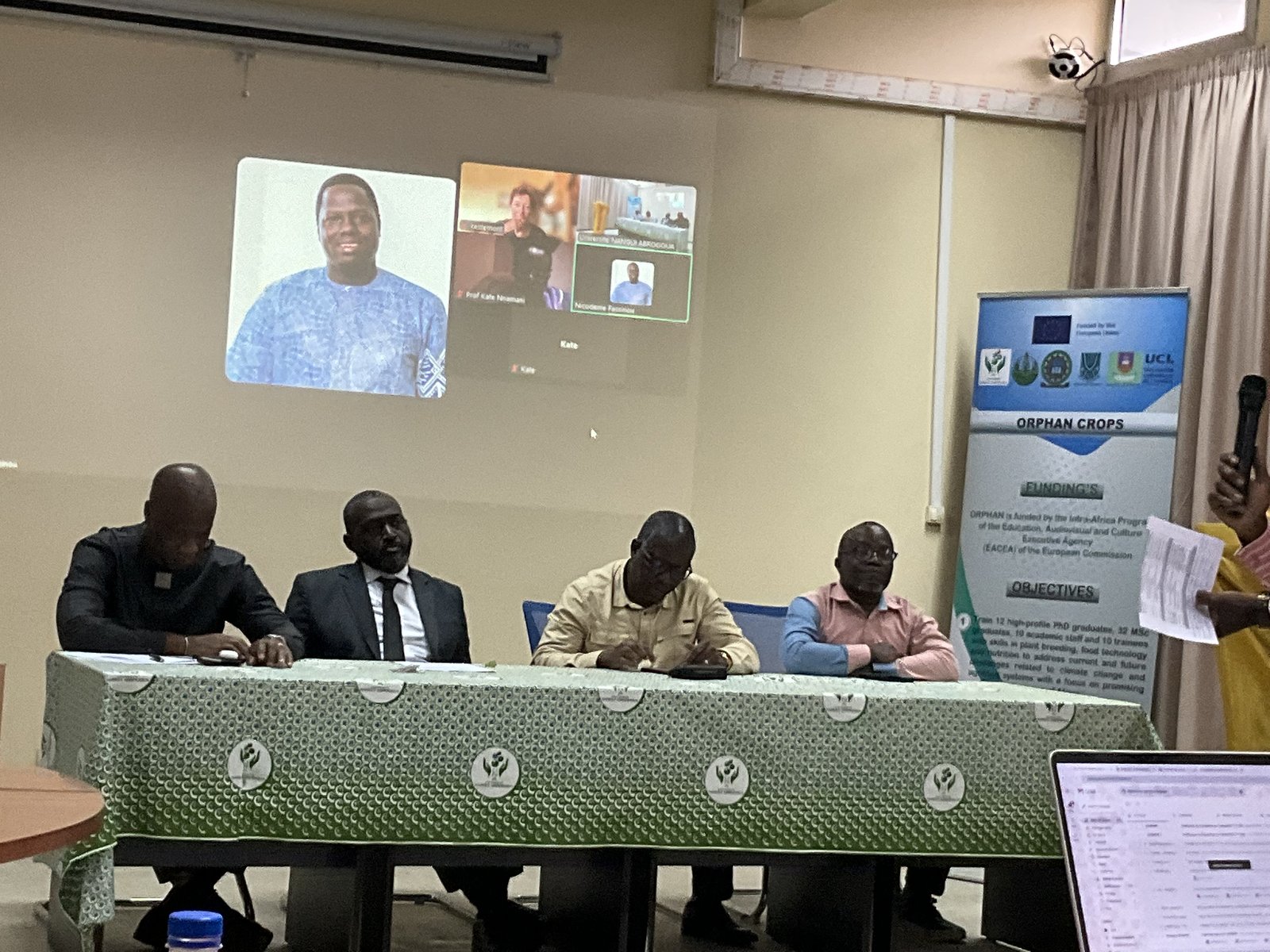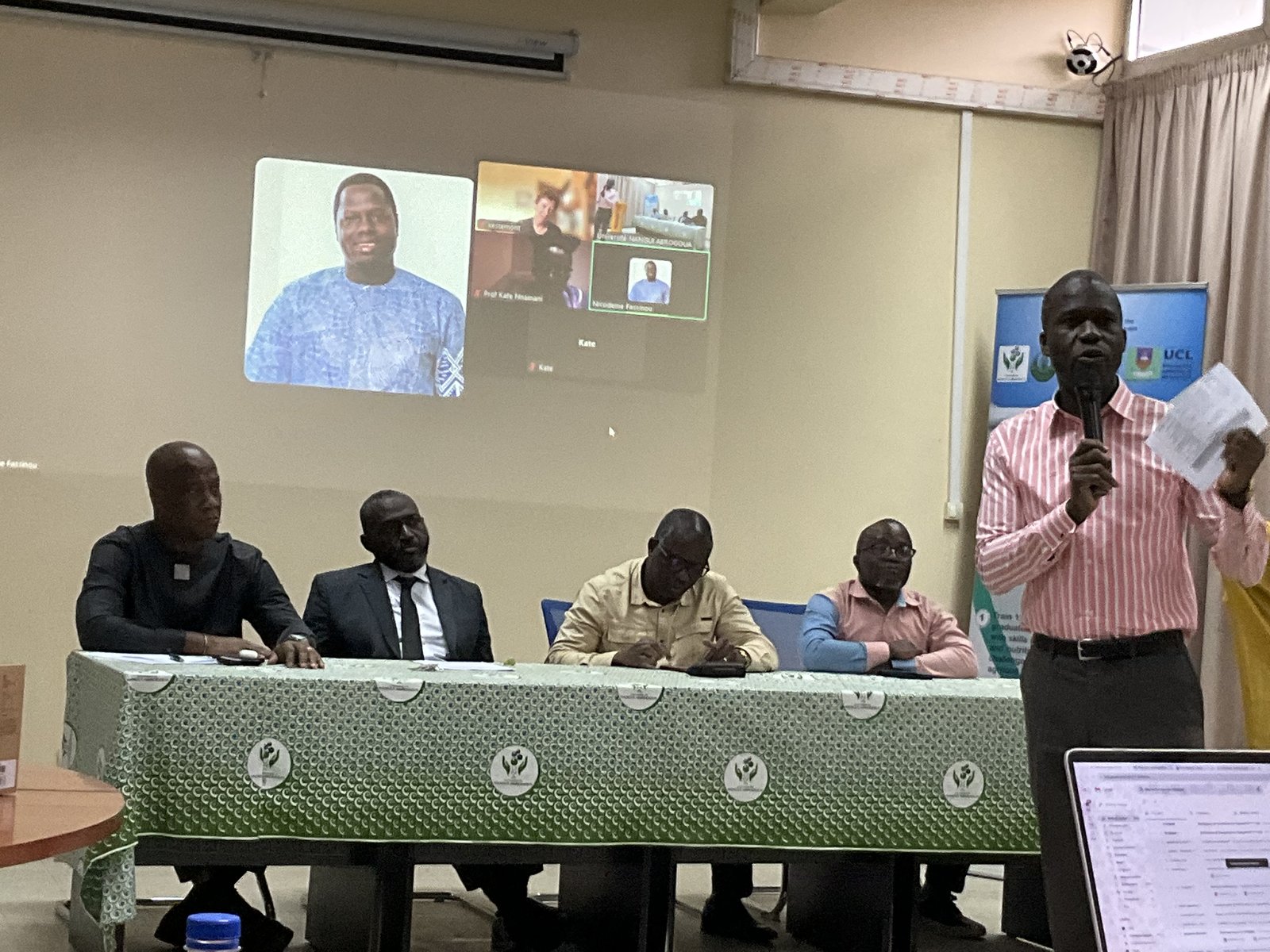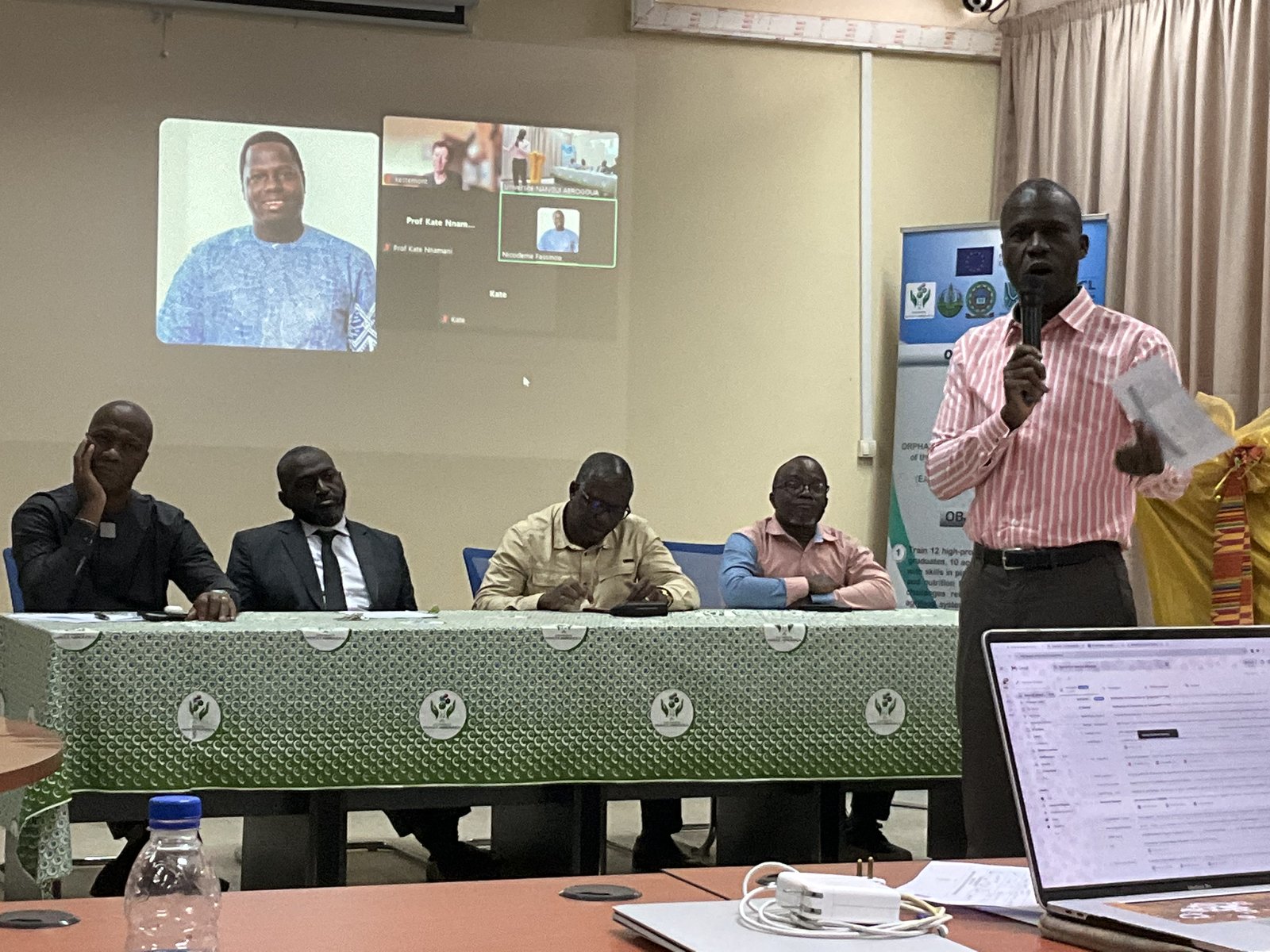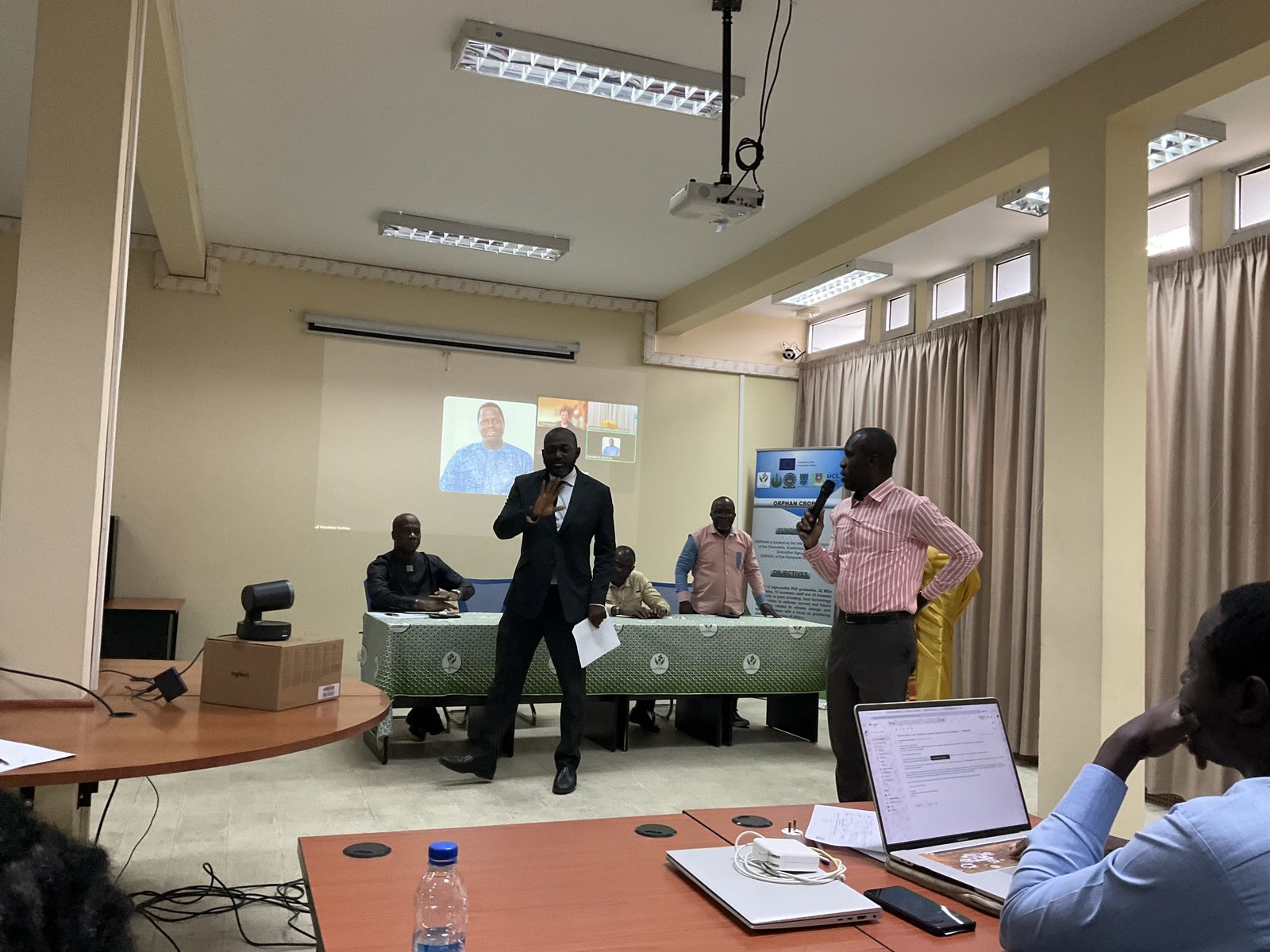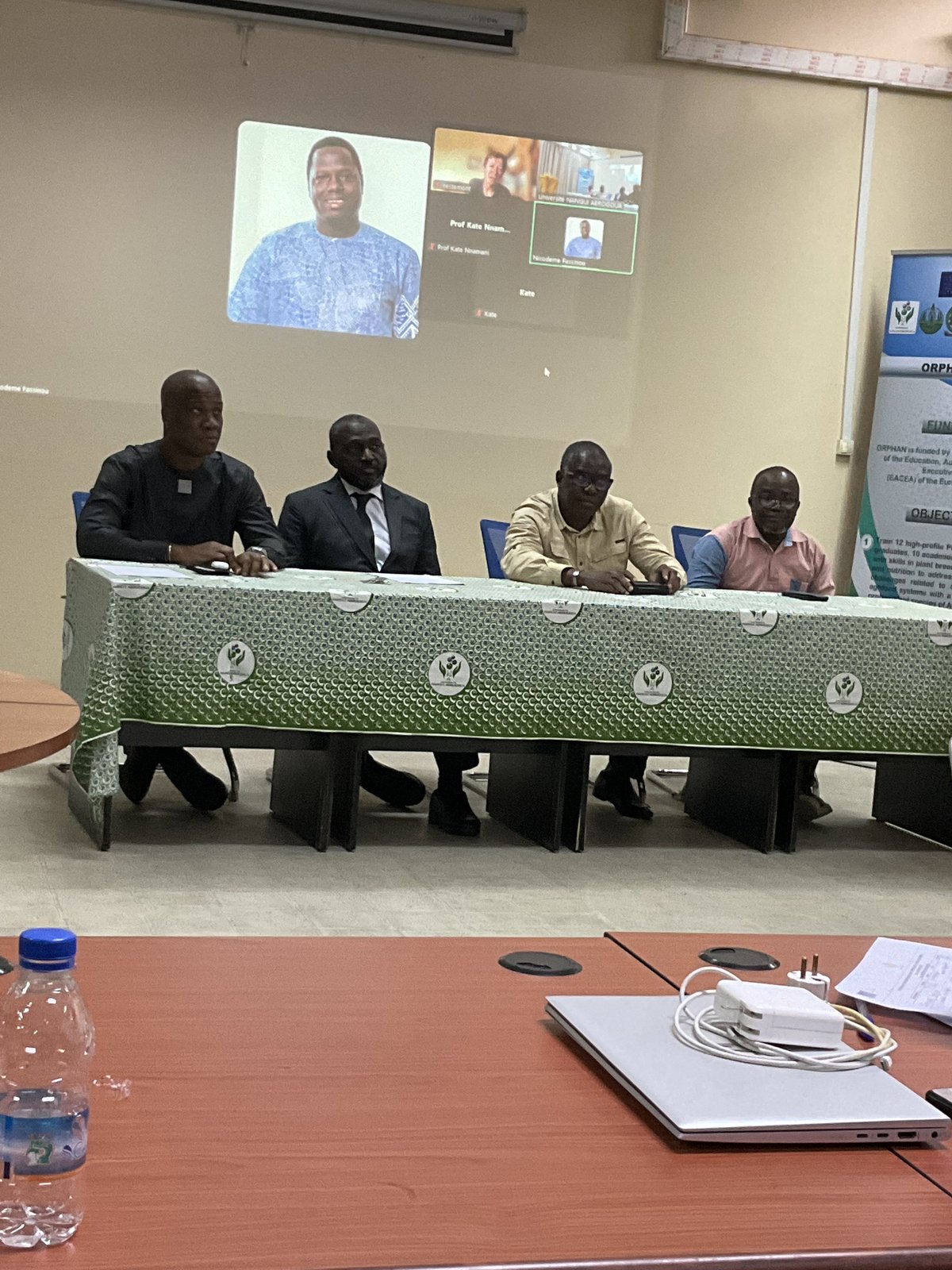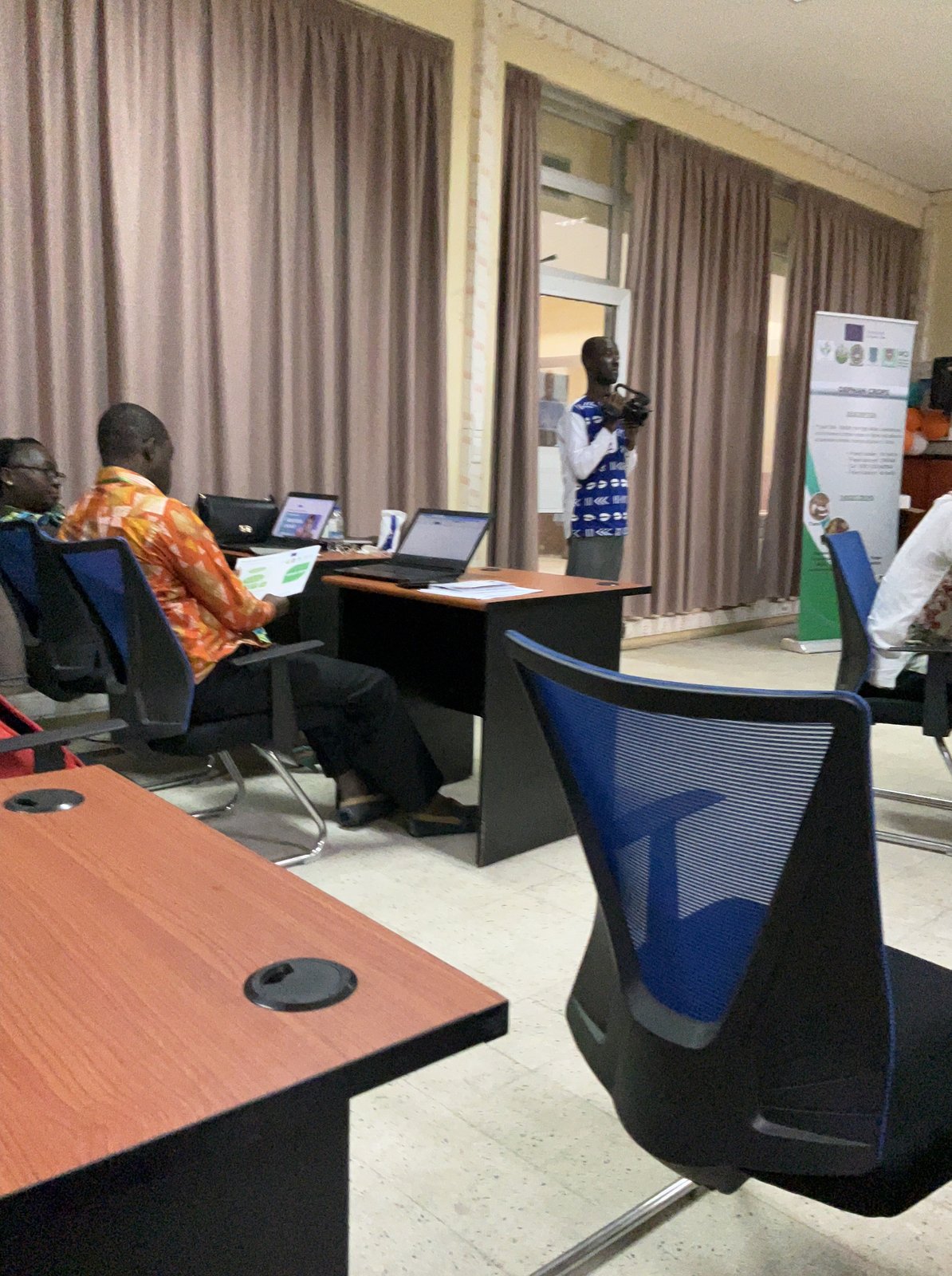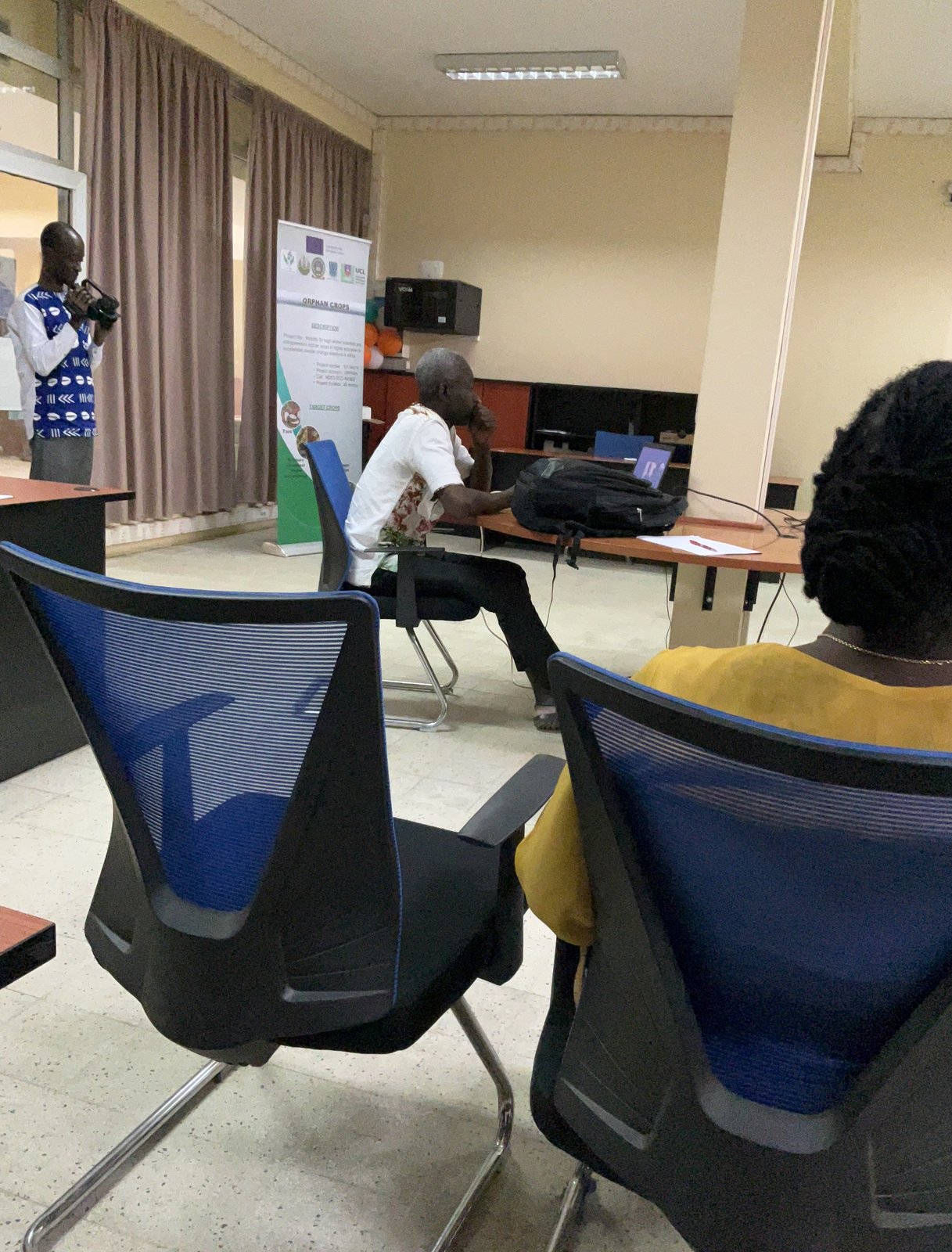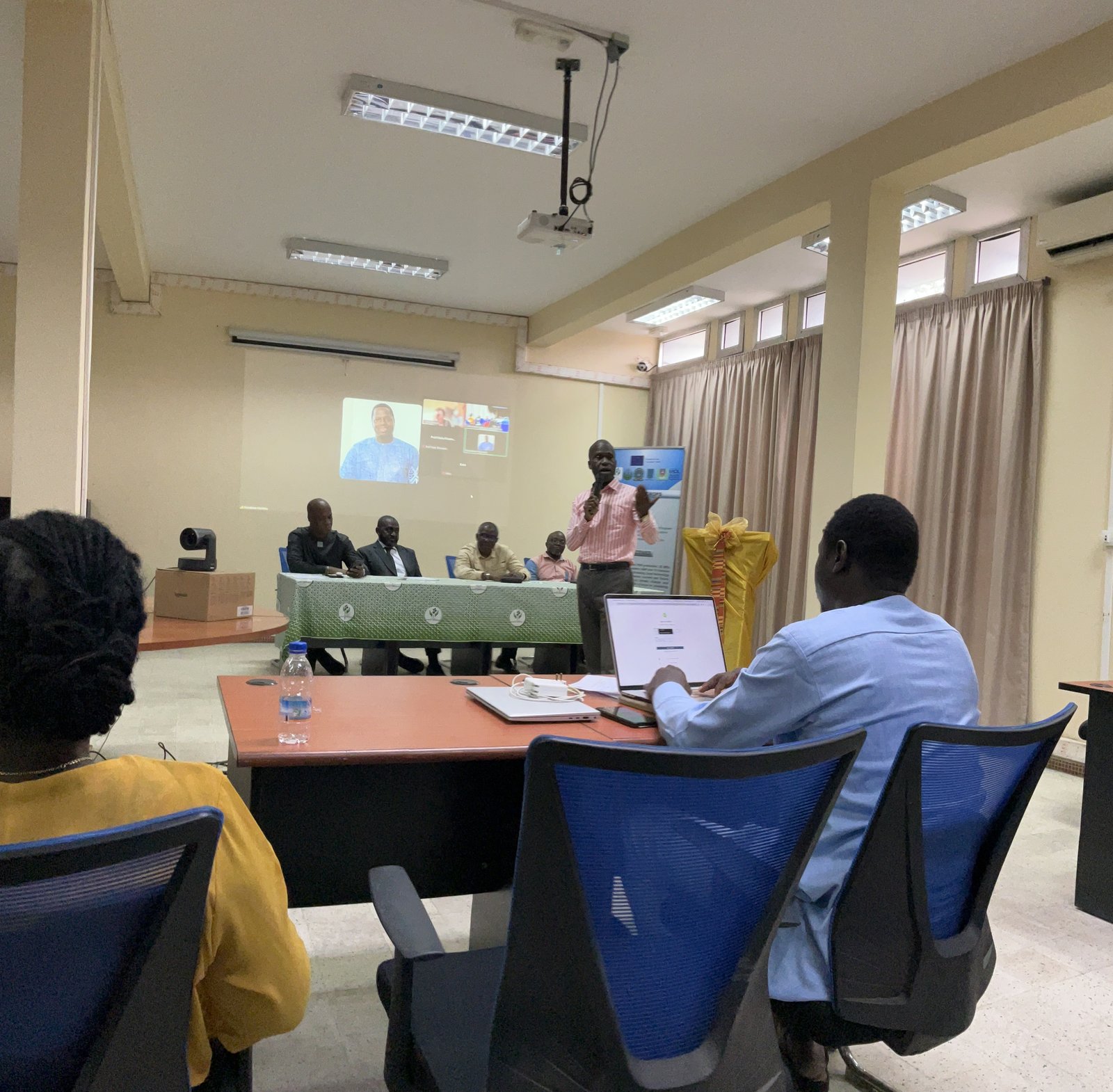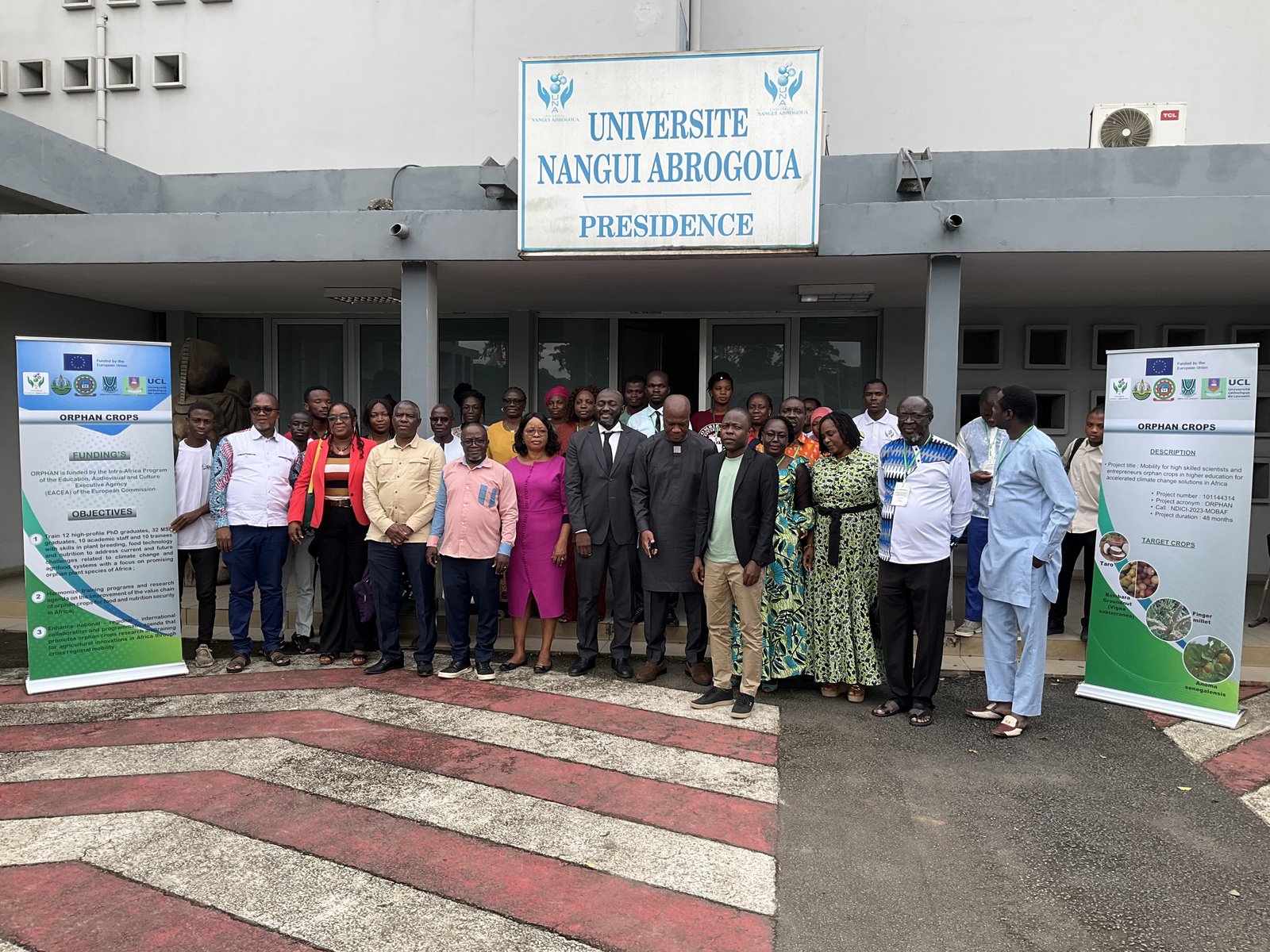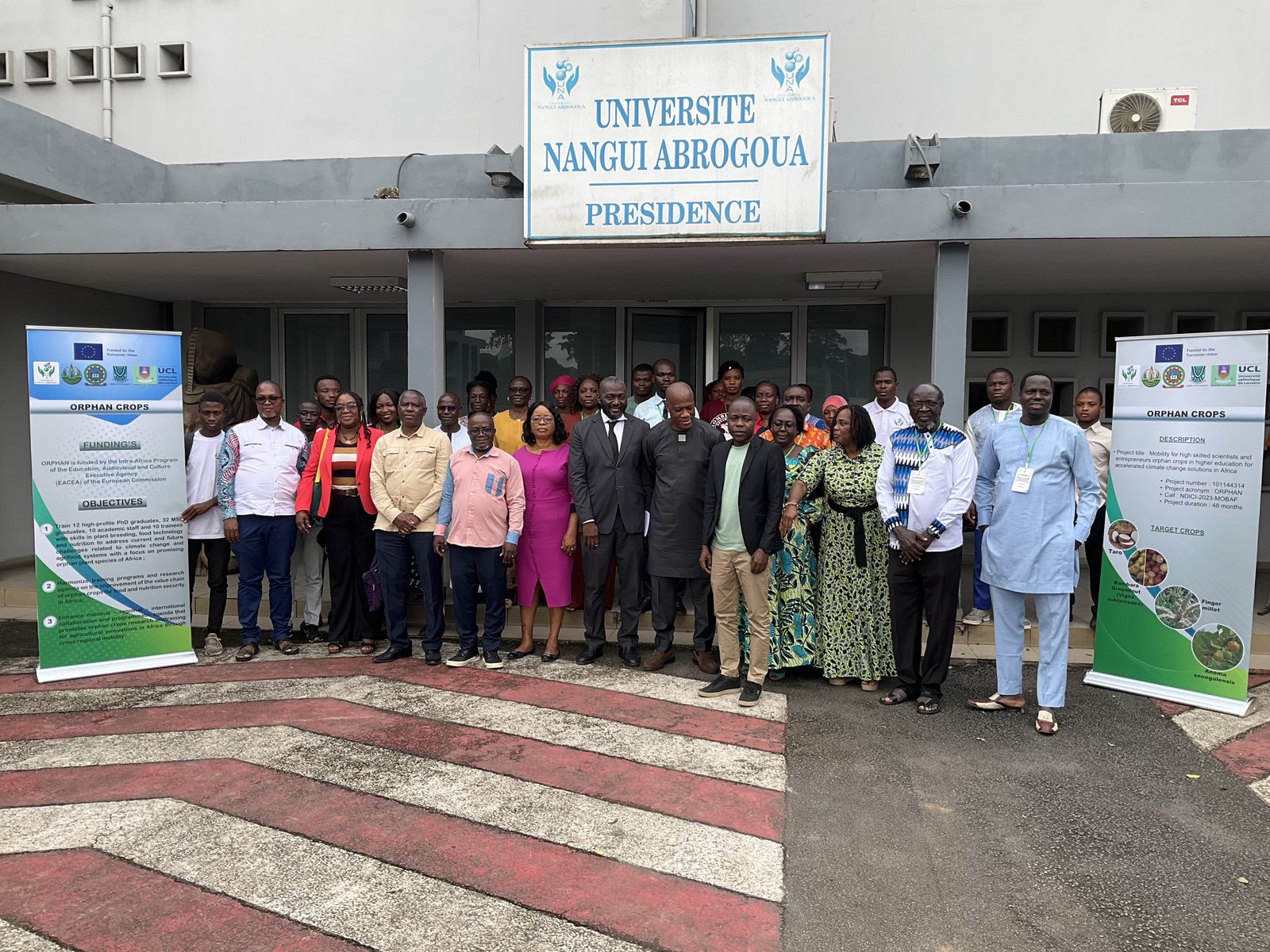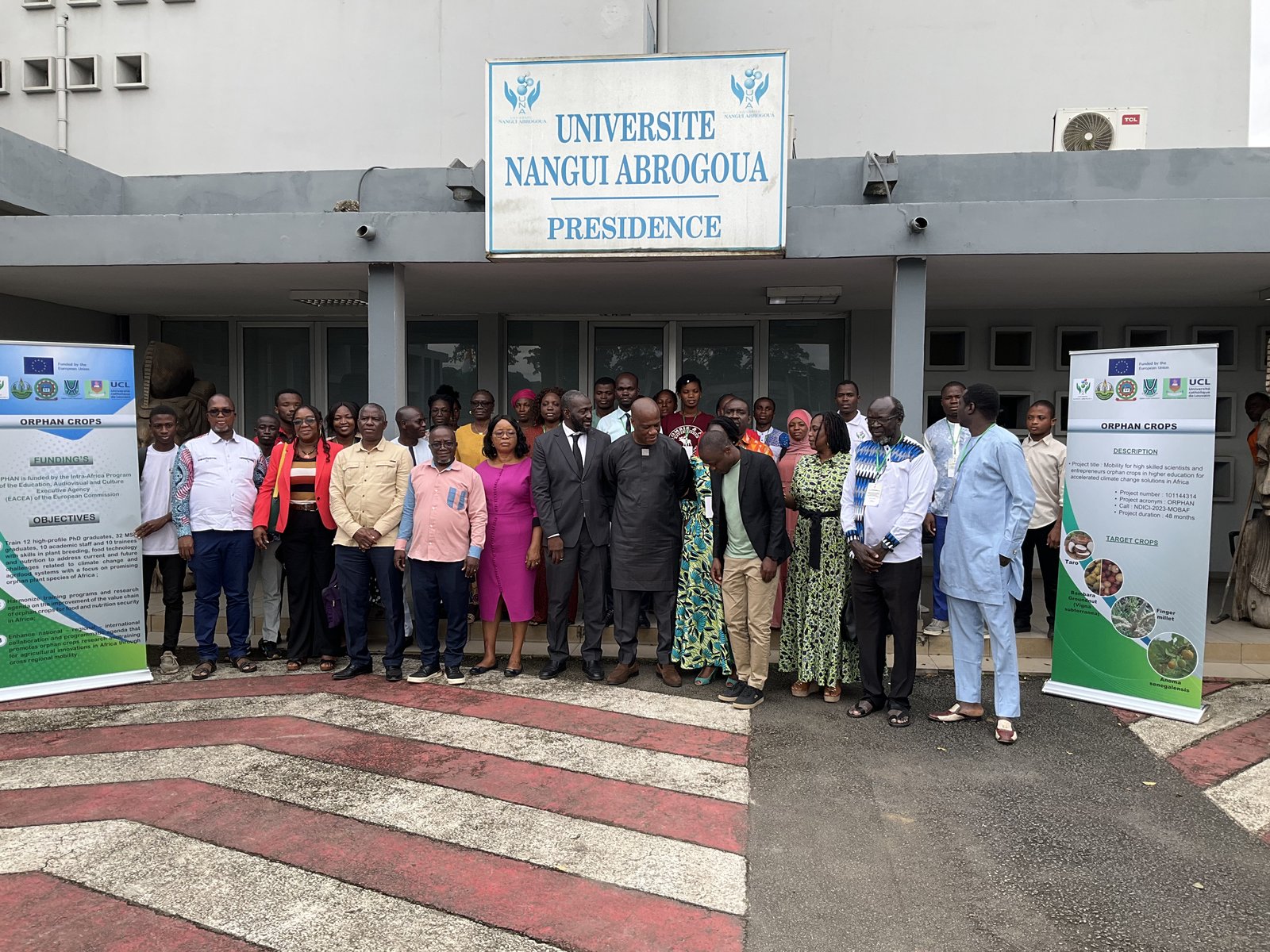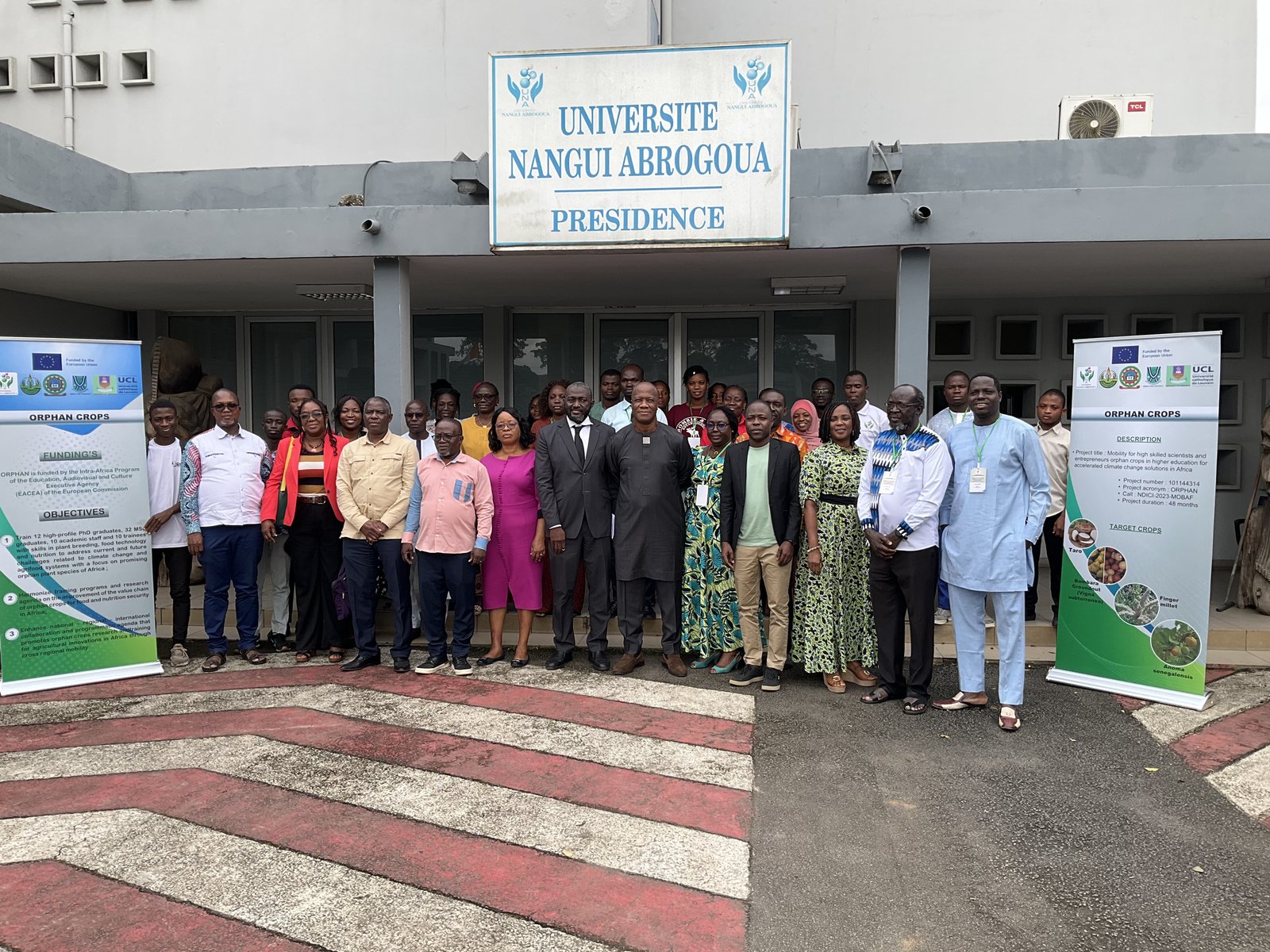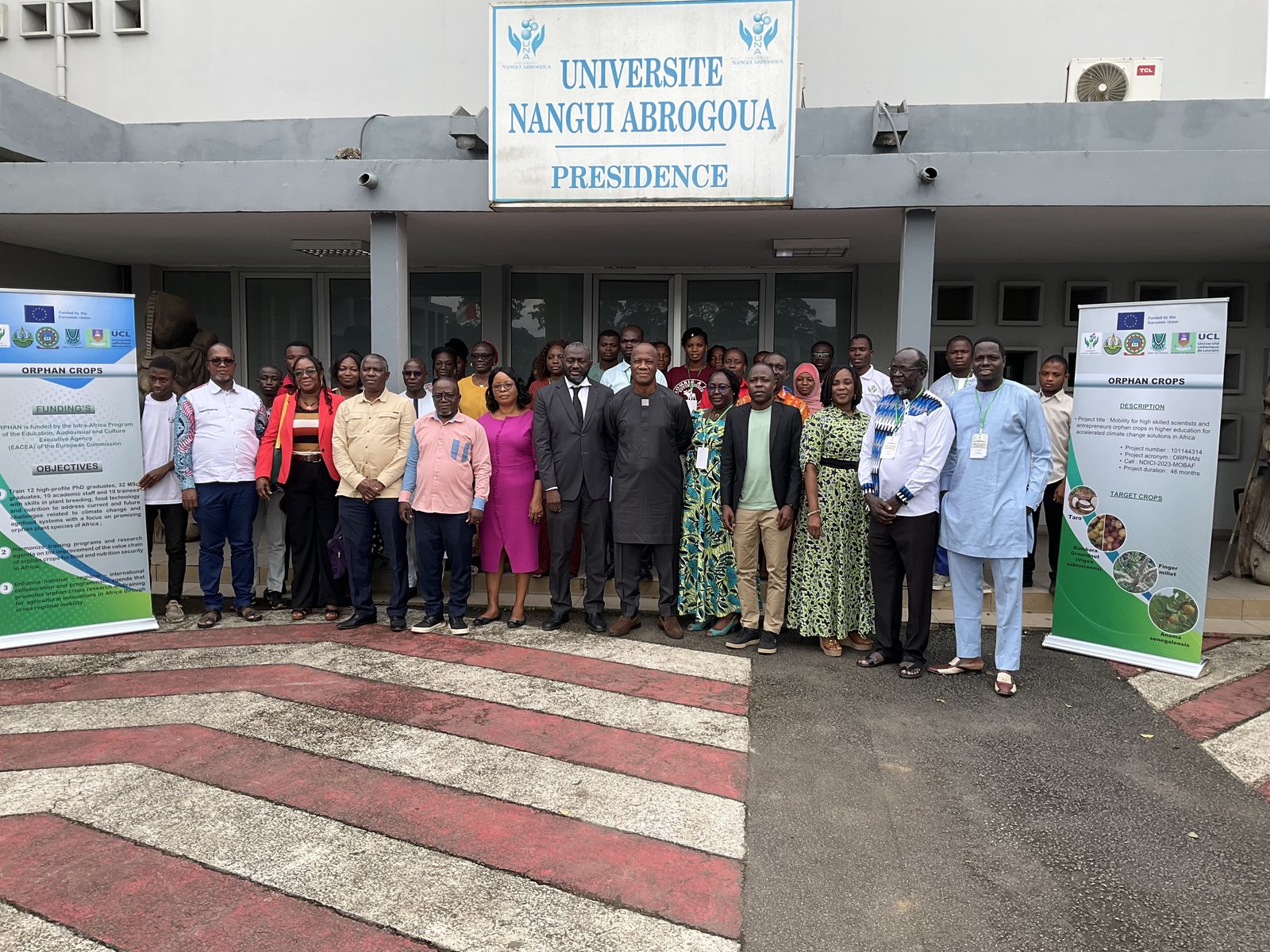
LAUNCH AND FINAL SELECTION WORKSHOP OF STUDENTS AS PART OF THE ORPHAN CROPS PROJECT
26 – 30 August 2024
University of Nangui ABROGOUA
LAUNCH AND FINAL SELECTION WORKSHOP OF STUDENTS AS PART OF THE ORPHAN CROPS PROJECT
Context and rationale
The conservation, characterization and transformation of genetic resources are crucial to meeting the needs of breeders for present and future generations. The chance of satisfying demand can only be obtained with a high level of genetic diversity. “Orphan” refers to plants cultivated underutilized on small scales, without cultivation techniques proven by scientific research and not subject to industrial processing. But considering the agronomic and nutritional potential, the promotion of these crops can contribute to sustainable development and food and nutritional security.To achieve the productivity and transformation objectives, a team made up of 6 universities including 5 African universities and a Belgian university as part of a call for projects launched by the European Union entitled “Call-NDCI - MOBAF – 2023 (Intra- Africa Academic Mobility Scheme) successfully tendered. For Africa, they are the Nangui Abrogoua University in partnership with the University of Abomey-Calavi (Benin), Jomo Kenyatta University of Agriculture and technology (Kenya), Ebonyi state university (Nigeria), University of Zimbabwe and the Catholic University of Louvain (Belgium).
The general objective of the project is to train competent executives at Masters and Doctorate level as well as trainees in genetic improvement of plant species and processing of agricultural products. This is part of an intra-African mobility scheme in partner universities. Modern agricultural systems in sub-Saharan Africa (SSA) depend on 1% of the diversity of crops available to feed 60% of the population. The alarming food and nutrition security problem caused by population growth in SSA and compounded by the negative effects of climate change on agri-food systems calls for innovative approaches to combat food and nutrition insecurity in the region. Yet the SSA is endowed with a high diversity of species known as orphan crops that have the potential to address food shortages caused by climate change due to their adaptability and nutritional value in agricultural systems at low inputs. Unfortunately, despite their potential, they have benefited from very limited modern scientific and technological advances. Training PhD and Masters students as well as interns in suitable institutions that can employ graduates is a solid approach to supporting the promotion of orphan cultures.
The ORPHAN project entitled "Mobility of highly qualified scientists and entrepreneurs on orphan crops in higher education for solutions to climate change in Africa" aims to: 1) Train 12 high-level PhD holders, 32 Masters graduates, 10 academic staff and 10 interns with skills in plant breeding, food technology and nutrition to address current and future challenges related to climate change and agri-food systems with a focus on promising orphan plant species from Africa; 2) Harmonize training and research programs on improving the value chain of orphan crops for food and nutritional security in Africa; 3) Enhance the national – regional – international collaboration and programmatic agenda that promotes research on orphan crops and training for innovative agriculture in Africa through interregional mobility. ORPHAN will be implemented from 2024 to 2027.
It is in this context that a call for applications was launched on May 22, 2024 to select Master and Doctorate students in the specialties of genetics, agronomy and nutrition. This call ended on July 12, 2024.
These terms of reference specify the practical arrangements for this workshop.
Objective
The main objective of this workshop is to officially start the OPHAN CROPS project by selecting the students who responded to the call for applications.Expected result
At the end of this workshop, 12 PhD students and 16 Masters students are selected for their training in the corsortium’s target universities.Participant
The workshop will bring together 75 participants on the first day and 35 on the last two days.Contact
- Prof Kevin Kouamé Koffi: +225 0709872698
- Dr (MC) Roger Brou Konan: +225 0707660190
- Dr Michelle Chia Angui: +225 0707548323
- Madame Lasme Koffi Mariette: +225 0707834270
Workshop timeline
| Schedules | Activities | Speakers |
|---|---|---|
|
Day
1:
Tuesday 27 August 2024
|
||
| 8:30 a.m. - 9 a.m. | Welcome and installation of participants | Steering Committee |
| 9 a.m. - 9:45 a.m. | Welcome word | ORPHAN coordinator |
| 9 a.m. - 9:45 a.m. | Opening remarks of the workshop | UNA President |
| 9 a.m. - 9:45 a.m. | Word from the Minister | Minister of Higher Education and Scientific Research |
| 9:45 a.m. - 10 a.m. | Project Presentation | Consortium |
| 10 a.m. - 10:20 a.m. | Health break + family photo | Steering Committee |
| 10:20 a.m. - 12:30 p.m. | Summary of the call for applications | Consortium |
| 12:30 p.m. - 2 p.m. | Lunch | Steering Committee |
| 2 p.m. - 3:30 p.m. | Presentation of the selection mode | Consortium |
| 3:30 p.m. - 4 p.m. | Health break | Steering Committee |
|
Day
2:
Wednesday 28 August 2024
|
||
| 9 a.m. - 10:30 a.m. | Interview of pre-selected Master’s candidates | Consortium |
| 10:30 a.m. - 10:45 a.m. | Health break | Steering Committee |
| 10:45 a.m. - 12:30 p.m. | Continuation and end of Interviews with pre-selected Master candidates | Consortium |
| 12:30 p.m. - 2 p.m. | Lunch | Steering Committee |
| 2 p.m. - 4 p.m. | Interview of preselected doctoral candidates | Consortium |
| 4 p.m. - 4:30 p.m. | Health break | Steering Committee |
|
Day
3:
Thursday 29 August 2024
|
||
| 9:30 a.m. - 10:30 a.m. | Continuation and end of Interviews with pre-selected Doctorate candidates | Consortium |
| 10:30 a.m. - 10:45 a.m. | Health break | Steering Committee |
| 10:45 a.m. - 12:30 p.m. | Summary and selection results | Consortium |
| 2 p.m. - 3 p.m. | Closing ceremony of the workshop | Coordinator of ORPHAN / President of the UNA |
| 3 p.m. - 3:30 p.m. | End cocktail | Steering Committee |
GENERAL REPORT OF THE ORPHANCROPS PROJECT WORKSHOP AUGUST 27-29, 2024
GENERAL REPORT OF THE ORPHANCROPS PROJECT WORKSHOP AUGUST 27-29, 2024
The main objective of this workshop, which was held from August 27 to 29, 2024 at Nangui Abrogoua University, is to officially start the OPHAN CROPS project by selecting students who responded to the call for applications.
1. OPENING CEREMONY
The opening ceremony of the workshop which took place at the HAIDARA Daouda amphitheater on August 27, 2024 recorded two speeches from the following speakers :
- The main coordinator of the project (Prof KOFFI KOUAME KEVIN)
- The President of the UNA (Prof TANO YAO)
Coordinator's speech
Prof. KOFFI Kevin welcomed all the participants to this workshop for the launch and final selection of students for the ORPHAN CROPS project, which marks a crucial step in the collective commitment to promote the conservation, characterization and transformation of genetic resources of orphan crops. He also recalled that these underutilized, often unknown plants hold inestimable potential for sustainable development and food security not only in Africa but also on a global scale. He gave the objective of this workshop, which is on the one hand to officially launch the ORPHAN CROPS project, which will run from 2024 to 2027, and on the other hand to carry out the rigorous selection of 12 doctorates and 16 masters among those who responded to the call for applications. To conclude, the main coordinator of the project expressed his gratitude to the members of the organizing committee, the academic partners and all the people who contributed to the preparation of this workshop. Finally, he wished everyone every success in this workshop and fruitful discussions so that the best talents emerge to meet the challenges that await us.
President’s speech
The President of the UNA also welcomed everyone, particularly colleagues from partner countries (Benin, Nigeria, Kenya and Zimbabwe). He stressed that the ORPHAN CROPS project is therefore a real asset for the Nangui Abrogoua University, for the Ivory Coast, for the sub-region and for Africa. This project will therefore
- strengthen scientific research in agriculture and nutrition,
- promote the valorization of orphan crops and their integration into agricultural production
systems,
- train a new generation of researchers and entrepreneurs specialized in this field,
- contribute to the food and nutritional security of the Ivorian populations and the sub-region.
He also recalled that the initiative supported by the European Union within the framework of this project will allow African universities to pool their resources to train competent executives in order to address the issue of under-exploited or almost abandoned crops. He also stressed that the project that brings us together is a good opportunity to promote and enhance these plants which, through their agronomic and nutritional potential, can contribute to food security and that Nangui Abrogoua University is happy to be associated with this initiative.
He also stressed that in view of the objectives and results expected by this project, he is particularly proud to see the students' enthusiasm for this project and that the selection that took place is an important step in the implementation of the said project because ensuring the succession of researchers is an essential path for present and future challenges.
To conclude, the President said he was convinced that the ORPHAN CROPS project will be a success and will contribute to making Nangui Abrogoua University a center of excellence in the field of sustainable agriculture and food security and will bring important results for our different countries. Finally, he renewed his availability for future actions and wished this project every success before declaring open the ORPHAN CROPS project launch workshop.
2. PRESENTATIONS
During this workshop, 3 presentations were made. The 1st presentation made by Prof. KOFFI KEVIN focused on the general presentation of the ORPHAN project and had the theme Mobility for highly qualified scientists and entrepreneurs on orphan crops in higher education to accelerate solutions to climate change challenges in Africa. During this presentation he gave the specific objectives of the project which are
-
Train 12 PhD graduates, 32 Masters graduates, 10 university staff and 10 interns with skills in plant breeding, food technology and nutrition.
-
Harmonize training programs and research agenda on improving the orphan crop value chain in Africa.
-
Improve national, regional and international collaboration and programmatic agenda that promotes research and training on orphan crops.
At the level of the Project Beneficiaries, two target groups are considered :
Target Group (GC) 1 : Students enrolled or having obtained their degrees in one of the universities involved in the project (UNA, UAC, JKUAT, EBSU and UZ).
Target Group (GC) 2 : Students enrolled or having obtained their degrees in one of the universities of African countries other than those that are members of the consortium.
The distribution of students by country is as follows
Group 1
UNA (Nangui Abrogoua University):
ü 4 doctoral students including 2 incoming and 2 outgoing. ü 11 master's students including 4 outgoing and 7 incoming.
UAC (Abomey Calavi University)
ü 5 doctoral students including 2 incoming and 3 outgoing. ü 11 master students including 5 outgoing and 6 incoming.
JKUAT (Jomo Kenyatta University)
ü 5 doctoral students including 3 incoming and 2 outgoing. ü 10 master students including 4 outgoing and 6 incoming.
ESBU (Ebonyi University)
ü 4 doctoral students including 2 incoming and 2 outgoing. ü 11 master students including 4 outgoing and 7 incoming.
UZ (University of Zimbabwe)
ü 4 doctoral students including 2 incoming and 2 outgoing. ü 10 master students including 4 outgoing and 6 incoming.
Group 2
There are 11 master students and 2 doctoral students who are all outgoing.
NB : 70% of the masters and doctorates that will be selected will be in target group 1 and 30% in target group 2.
The 2nd presentation made by Prof. NADIA focused on the selection method and the assessment of the call for applications. The call was launched on May 24, 2024 and ended on July 12, 2024. The eligibility criteria focused on the following points:
-
ü be competent in plant breeding/crop sciences, nutrition and food technology ;
-
ü at the time of the scholarship application, candidates must be nationals of an African
country and reside there ;
-
ü be enrolled/admitted or have obtained a degree in a higher education institution of
TG1 or TG2 universities ;
-
ü be nationals of an African country (including North Africa) and reside there ;
-
ü be registered/admitted or have obtained a degree in a higher education institution in
Africa.
It should be noted that at the end of the call, 154 applications were received, 37% of which came from G2 and 63% from G1. Among the applications received, 79% were men and 21% were women. Finally, there were 73% of candidates for the PhD and 27% for the Master.
A total of 18 countries participated in the call. These are Benin, Ivory Coast, Nigeria, Zimbabwe, Kenya, Burundi, Democratic Republic of Congo, Ethiopia, Cameroon, Ghana, Mali, Rwanda, Sierra Leone, South Sudan, Zambia, Uganda, Malawi and Niger. The countries with the most applications were Benin, Nigeria and Ethiopia.
Finally, the 3rd presentation made by Prof. KOFFI KEVIN focused on minor crops, issues and perspectives in the context of climate change in Africa. The points that were discussed were as follows:
ü Issues of preservation and development of minor crops
The main challenges are therefore to preserve this cultural diversity, to strengthen the identity and belonging of communities, to transmit this unique knowledge, to promote sustainable development and to energize territories. This requires proactive public policies as well as the commitment of local stakeholders.
ü Prospects for development of minor crops in the context of climate change The promotion of minor crops can thus contribute to the resilience of food systems in the face of climate change challenges while preserving agrobiological diversity.
ü Main aspects of genetic and agronomic research on minor crops
Research on minor crops aims to better understand them, promote them and integrate them into sustainable food systems while addressing the challenges of food security, resilience to climate change and cultural diversity.
3. EVALUATION OF APPLICATIONS AND INTERVIEWS OF PRESELECTED CANDIDATES
All applications that could not be analyzed were evaluated on site by the members of the consortium and by the UNA evaluators. These files were 40 in total. After arbitration, the candidates who obtained an average of at least 60/100 were preselected. Thus, we had 76 candidates at the PhD level and 11 at the Master level who were preselected.
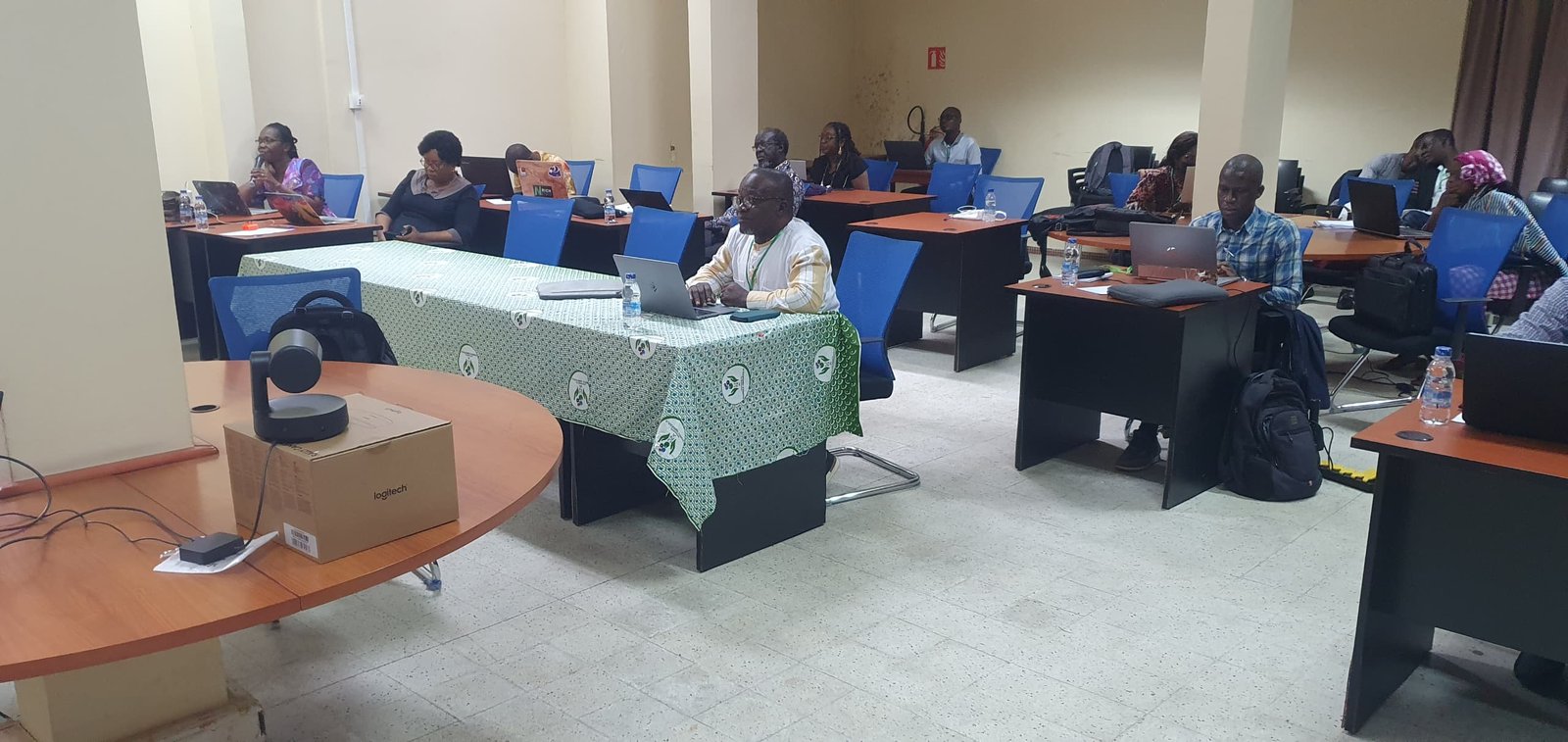
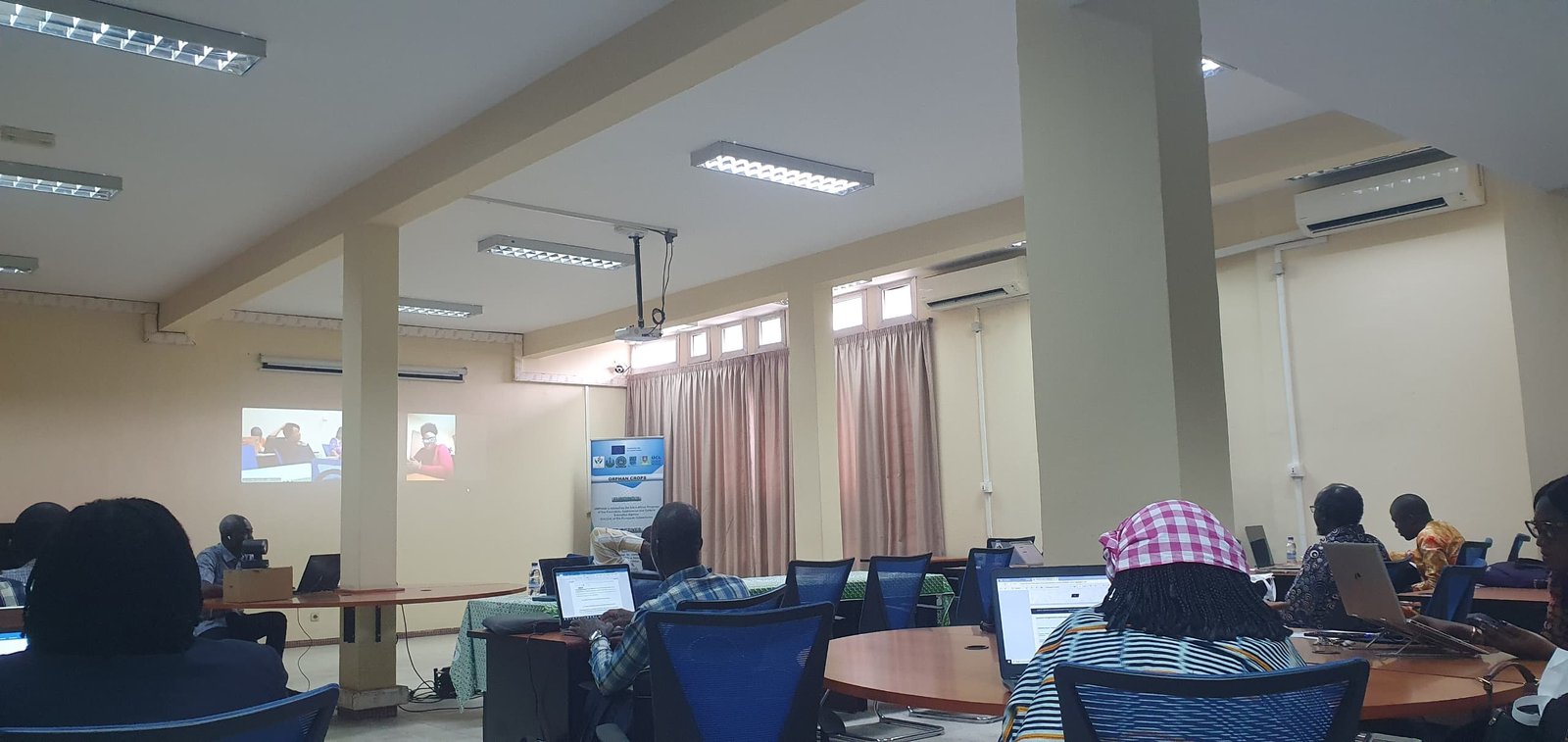
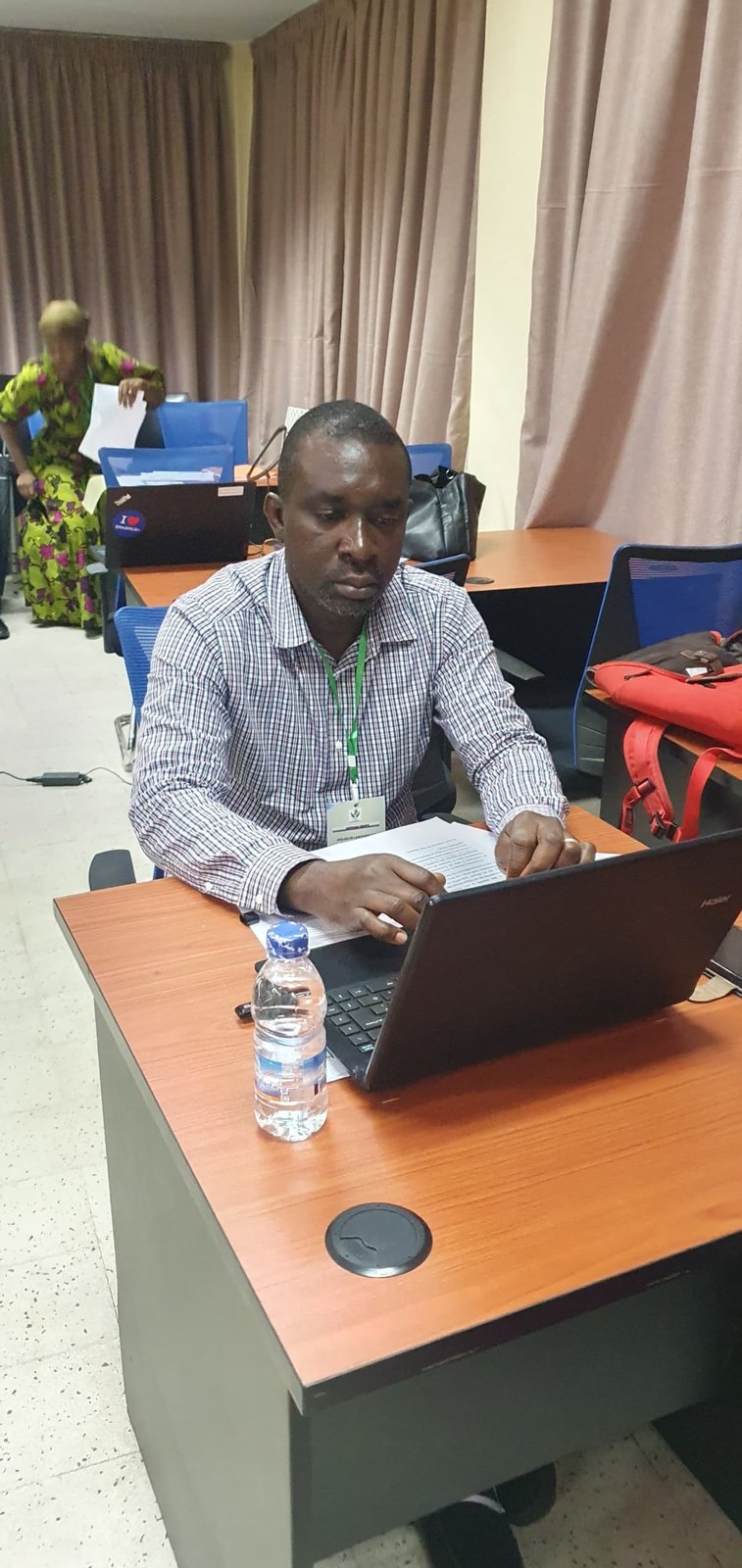
At the PhD level, 12 candidates were selected and 8 were put on the waiting list. Among the 12 selected candidates, 6 candidates were interviewed. Thus, after a 10-minute presentation by each candidate, discussions took place between the candidates and the members of the consortium.
At the Master level, 3 candidates were selected and 2 were on the waiting list. It should be remembered that at the Masters level there were no interviews.
CONCLUSION
This workshop for the launch and final selection of students within the framework of the ORPHAN project was an opportunity for all participants to meet up to discuss and exchange ideas. Very in-depth discussions took place, which allowed each participant to come away truly enriched by the knowledge and experiences of the others. This workshop took place in a very good and friendly atmosphere. After the interviews, 12 PhD candidates and 3 Master candidates were selected.
We would like to warmly thank all our foreign partners who made the trip to contribute to the smooth running of this workshop. Thank you to all those who responded to our invitation. Thank you to the Organizing Committee.
Done in Abidjan, 08/29/2024
Dr (MC) KONAN Brou Roger; General Rapporteur of the workshop
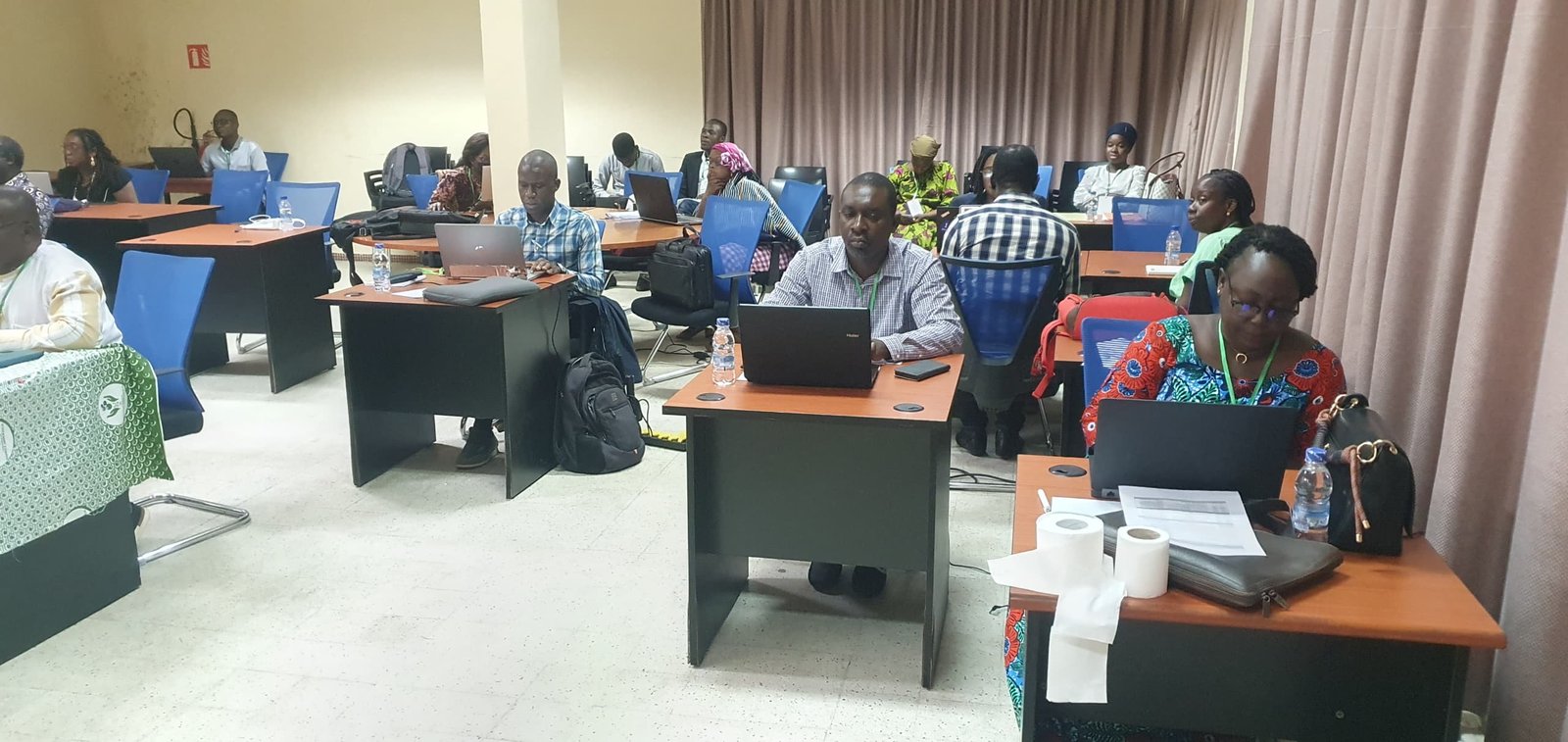
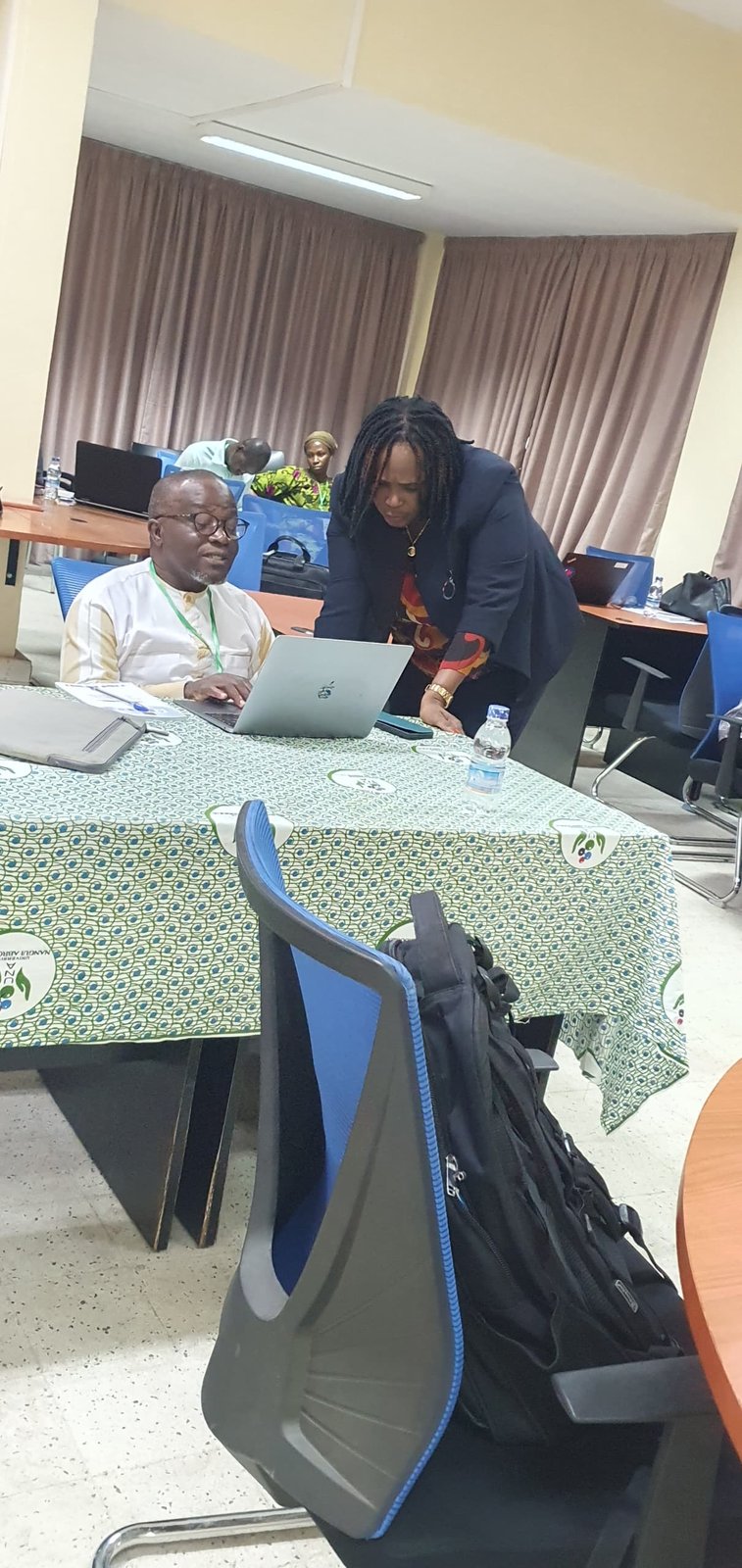
Workshop - Day 2
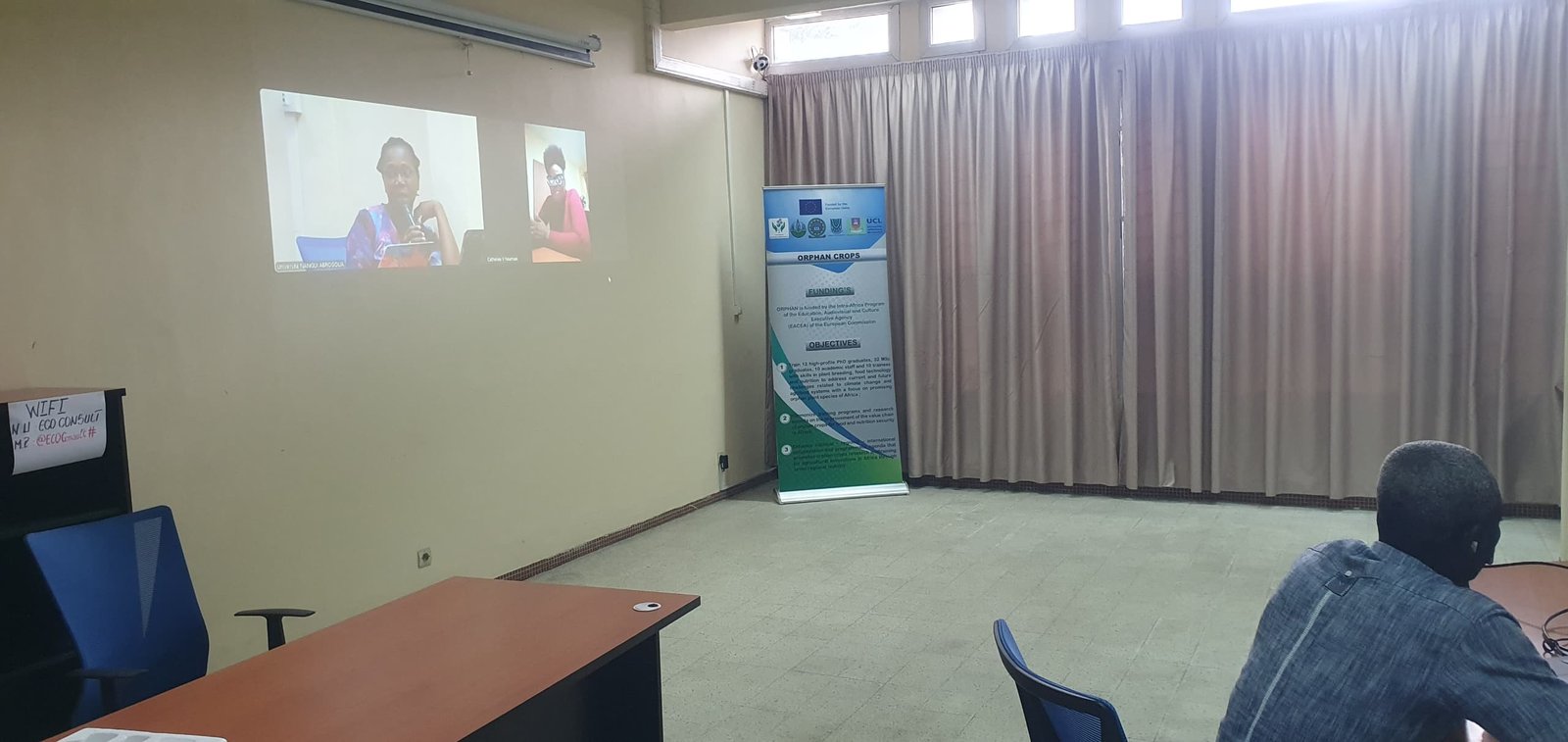
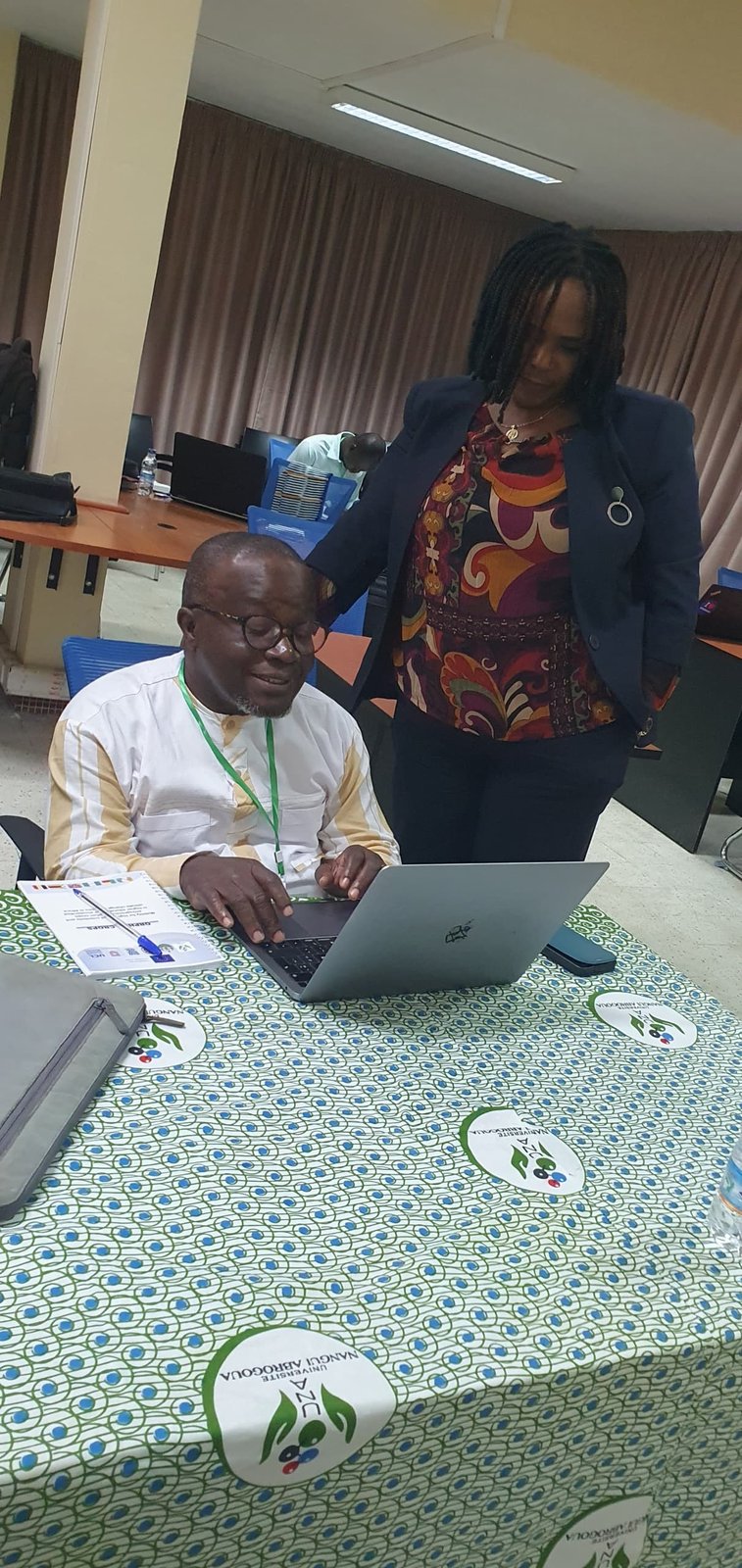
Workshop - Day 3